
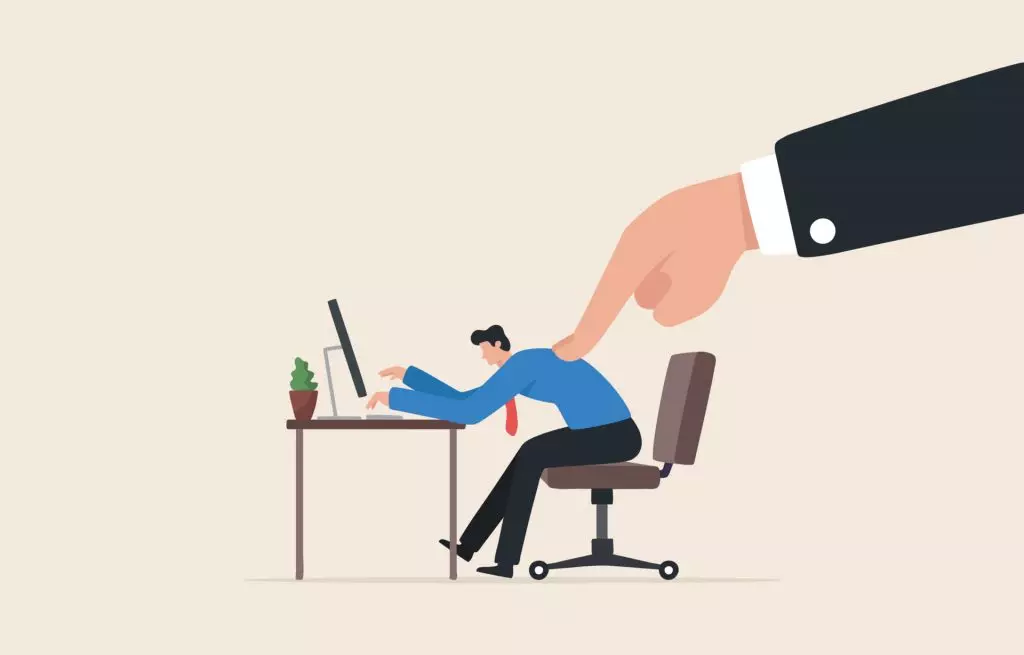
Dealing with workplace pressure is a common challenge that many individuals face in their professional lives. The demands of the job, coupled with various stressors, can create an overwhelming environment that affects both physical and emotional well-being. That’s why workplace stress management and handling job pressure are crucial skills to develop.
Managing stress at work is essential for maintaining overall health and productivity. Excessive workloads, low salaries, lack of control over job-related decisions, and conflicting demands are some of the common sources of work stress that individuals encounter. These stressors can lead to a range of health issues, such as anxiety and high blood pressure.
To effectively manage workplace pressure, it’s important to identify the sources of stress and find ways to reduce their impact. By tracking stressors, individuals can gain a better understanding of what triggers their stress and develop healthy coping mechanisms. Engaging in regular exercise, pursuing hobbies, and establishing boundaries between work and personal life are effective strategies for reducing stress.
Another important aspect of managing stress at work is learning relaxation techniques. Deep breathing exercises and practicing mindfulness can help individuals stay calm and focused, even in high-pressure situations. Taking regular breaks and ensuring a healthy work-life balance are also vital for managing workplace pressure.
Furthermore, it’s crucial to communicate with supervisors about stressors and seek support from trusted individuals or professionals when needed. Having an open dialogue about work-related challenges can lead to finding effective solutions and creating a supportive work environment.
In conclusion, handling workplace pressure and managing stress at work are essential for maintaining one’s well-being and overall job satisfaction. By developing effective coping mechanisms and seeking support when needed, individuals can thrive in their professional lives and navigate the demands of the workplace with resilience and success.
Common Sources of Work Stress
Work stress is a common experience that many individuals face in their professional lives. Understanding the common sources of work stress can help individuals identify and address these issues to effectively manage workplace pressure.
Excessive Workloads
One of the main contributors to work stress is an excessive workload. Having too many tasks and responsibilities can lead to feelings of overwhelm and fatigue. Meeting tight deadlines and constantly working under pressure can take a toll on an individual’s mental and physical health, resulting in increased stress levels.
Lack of Social Support
Another significant stressor is the lack of social support in the workplace. Not having supportive colleagues or a positive work environment can make it difficult to cope with work-related challenges. Without the necessary social support, individuals may feel isolated, unsupported, and have limited resources to handle stress effectively.
Conflicting Demands
Conflicting demands can create a great deal of stress for individuals. Having multiple projects or tasks with different priorities and deadlines can lead to feelings of being pulled in multiple directions. Trying to navigate conflicting demands can cause frustration, anxiety, and a sense of being overwhelmed.
Identifying these common workplace stressors, such as excessive workloads, lack of social support, and conflicting demands, is crucial in the management of work stress. By addressing these issues, individuals can create a healthier work environment that promotes well-being and minimizes the negative impact of workplace pressure.
Effects of Uncontrolled Stress and Ways to Manage It
Uncontrolled work-related stress can have detrimental effects on an individual’s health and well-being. The effects of uncontrolled stress can manifest both physically and mentally. Physical symptoms may include frequent headaches, stomachaches, sleep disturbances, and difficulty concentrating. Chronic stress can also contribute to mental health conditions such as anxiety and depression, affecting an individual’s overall quality of life.
Moreover, long-term exposure to uncontrolled stress can lead to more severe health issues. Research has linked chronic stress to an increased risk of high blood pressure, obesity, and heart disease. This highlights the importance of managing stress at work to maintain good health.
To effectively manage stress at work, individuals can implement various strategies. One approach is to track stressors to identify patterns and triggers. This self-awareness can help individuals better understand their stressors and develop targeted coping mechanisms.
Engaging in regular physical exercise and pursuing hobbies and activities that bring joy and relaxation can also greatly contribute to stress reduction.
Establishing clear boundaries between work and personal life is crucial in managing stress. By separating work-related responsibilities from personal time, individuals can minimize the negative impact of work-related stress on their personal lives and overall well-being.
Taking regular breaks throughout the workday is another effective technique for reducing workplace pressure. These breaks provide opportunities to recharge and rejuvenate, allowing individuals to return to their tasks with improved focus and productivity.
Learning relaxation techniques, such as deep breathing exercises and mindfulness practices, can also promote stress reduction and overall well-being.
Communication plays a vital role in stress management at work. Openly discussing stressors with supervisors can lead to possible solutions or accommodations, helping to alleviate pressure. Seeking support from trusted individuals or professionals, such as therapists or coaches, can also provide valuable guidance in managing workplace stress.
Overall, it is crucial to prioritize and proactively manage stress at work to mitigate the adverse effects it can have on health and well-being. By implementing strategies to reduce workplace pressure and seeking support when needed, individuals can maintain a healthier work-life balance and enhance their overall quality of life.
Strategies for Handling Workplace Pressure
When it comes to dealing with work stress, implementing effective coping mechanisms and work-life balance strategies is crucial. One strategy is to adjust your attitude and view pressure as an opportunity rather than a threat. By shifting your perspective, you can alleviate some of the stress and approach challenges with a more positive mindset.
Another helpful strategy is to stay focused on the present moment and avoid getting overwhelmed by worrying about future possibilities. By staying in the here and now, you can reduce feelings of being overwhelmed and concentrate on the task at hand.
Positive reinforcement and visualization can also be powerful tools for managing workplace pressure. Giving yourself encouragement and picturing the worst-case scenario can help you gain a sense of control and calm anxiety.
Additionally, remember that you don’t have to face work stress alone. Taking deep breaths, asking for help from colleagues, supervisors, or coaches, and seeking support from trusted individuals or professionals are effective ways to cope with job stress. By recognizing that everyone is working towards the same goal, supporting one another can lead to individual and collective success in managing workplace pressure.